

The design engine
You pick a Look, write one line about what you want, and it renders a finished image, already in your colours, your fonts, and your style. No designer, no Canva, no starting from a blank page.
Every visual comes out on brand, because it is built from your brand, not styled after the fact.
Finished visuals, already on brand
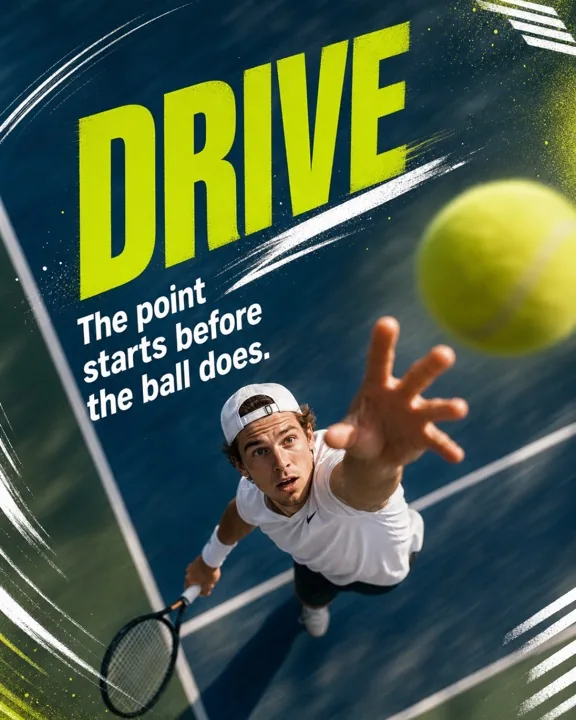
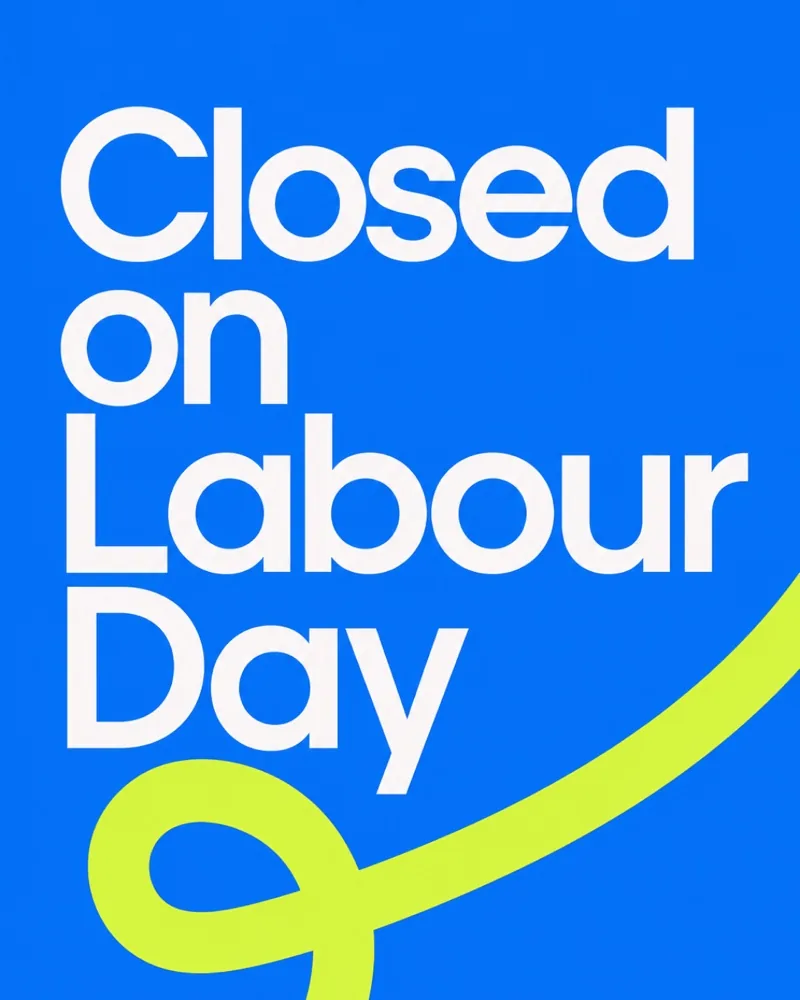
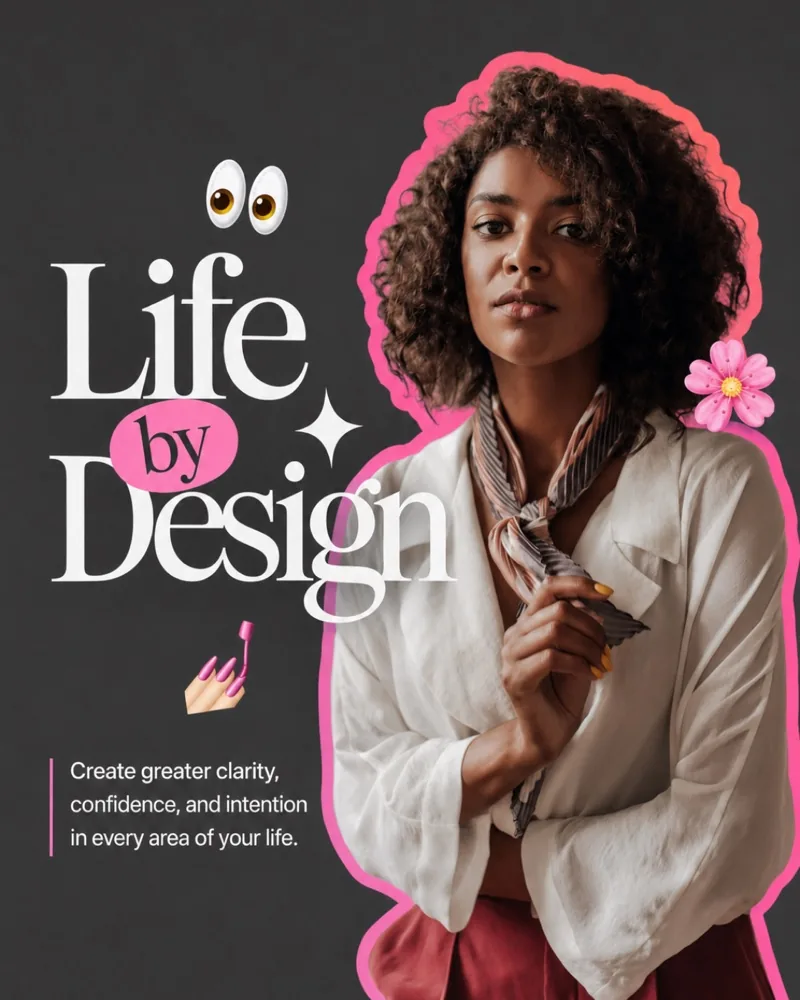
Start at the end, with what it actually makes. Real, high-resolution images in the brand's own look, ready to post. These are for Rowan Coffee, a neighborhood coffee shop, in three different styles.
Every render shows up live inside the real post as you work, cropped for each platform you are posting to, so you are never designing a bare image in the abstract. The first one is the winter post from the idea engine, now a finished visual.
Pick a Look, not a prompt
The first choice is the Look, what kind of visual you want. There are seven, each with its own tuned engine, so the same one line comes out as a photo, or a chart, or a poster. Then pick a Theme, a saved style you like the look of, so nothing ever starts from a blank page.
seven results.
It paints, or it builds
Behind it are two ways of making a visual, both working from the same brand, so a whole feed still reads as one.
It paints the picture
For photos, illustrations, and posters, it paints the whole image, subject, lighting, layout, and any headline, steered by your real reference photos so it looks like you, not generic stock.
It builds the text
For anything where the words and numbers must be perfectly crisp, it fills real, hand-built templates instead, re-skinned in your colours and fonts. No AI drawing the letters, so nothing is ever misspelled or garbled.
Hand it a real photo
You do not have to describe everything. Give it a real photo and it treats it as something to match exactly, every label and detail kept, then re-shoots it in your brand's world.
The same works for a screenshot, reproduced exactly on a device, browser, laptop, phone, and four more, and for a headshot, turned into a clean testimonial card with the person's real face kept, never smoothed or idealised.
Carousels that read as one set
Turn an idea into a five-slide carousel with a proven shape, and it comes out looking like one designed set, not five random images.
How they stay consistent
Slide one is drawn first to set the look, then slides two to five are drawn together, each handed the finished slide one as a style reference. So the whole set shares one font, palette, and layout. If one slide fails, only that slide re-draws, you never re-pay for the ones you already have.
The guardrails that keep it clean
The things that make AI images look fake, garbled text, made-up numbers, a filter smeared over a photo, are the things it refuses to do.
What you type is what you get
Headlines, statements, names, and screenshot text render character for character, no paraphrasing, correcting, or garbling. And a blank headline is left blank, it never invents words to fill the space.
It won't make up a figure
If a number is going to appear on the image, it has to already exist in your material. It will not invent a statistic just to fill a slide, a made-up number is treated as worse than none.
Your face, your product, kept exactly
A real person's face is matched exactly, never smoothed, re-aged, or idealised. A real product keeps its true details. And the brand colour stays a design element, on the frames and badges, never smeared over the photo like a filter.
A finished image, on brand by construction, not styled after the fact.
You pick a Look, write one line, and it renders in your real colours, fonts, and style, anchored by your own photos so it never looks like generic stock. It keeps your words exact, refuses to fake your facts, and shows you the finished post before you commit. Design that looks like you, without a designer.